
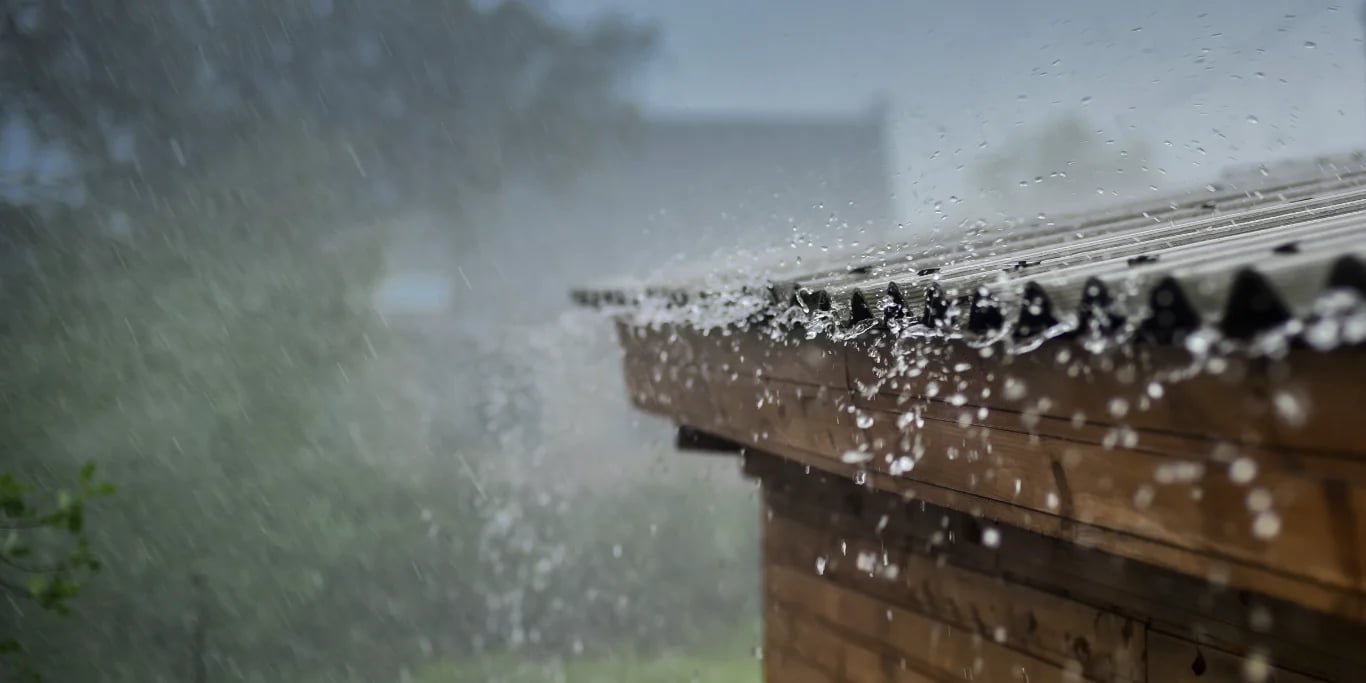
Heavy rain and severe storms can put tremendous stress on your roof, leading to leaks, structural damage, and costly repairs. The good news is that with proactive roofing maintenance and smart protective measures, you can significantly reduce the risk of storm-related roof damage. By taking action before the weather turns, you give your home or business the best chance to withstand whatever nature throws at it.
Licensed and Insured Roofing Services
Weathertight Roofing, Inc., has been Idaho’s #1 roofing contractor since 2008, serving homeowners and business owners throughout Treasure Valley, Boise, Caldwell, Eagle, Meridian, and beyond with expert roof inspections, repairs, and installations. Our licensed and insured team understands the unique challenges Idaho weather presents and offers professional storm damage assessments, preventative maintenance, and emergency repair services to keep your roof strong and secure year-round.
Schedule Regular Roof Inspections
One of the most effective ways to prevent storm damage is to identify and address vulnerabilities before bad weather arrives. Professional roof inspections should be performed at least once a year. During an inspection, our qualified roofers will check for loose or damaged shingles, weakened flashing, deteriorating sealants, and other issues that could allow water penetration during heavy rain. Catching these problems early means smaller repairs now instead of major damage later.
Maintain Your Gutters and Downspouts
Gutters play a crucial role in protecting your roof from water damage. When gutters become clogged with leaves, debris, and dirt, water backs up onto the roof instead of flowing away from your structure. This standing water can seep beneath shingles, causing rot, leaks, and structural issues. Clean your gutters once or twice a year and inspect them after major storms. Make sure downspouts direct water at least five feet away from your foundation to prevent pooling near the structure.
Reinforce Flashing Around Vulnerable Areas
Flashing is the metal material installed around chimneys, vents, skylights, and roof valleys to create a watertight seal. Over time, flashing can loosen, crack, or corrode, creating entry points for rainwater. Reinforcing or replacing damaged flashing before storm season is essential. Pay special attention to areas where different roof planes meet, as these joints are particularly susceptible to leaks during heavy downpours.
Apply Sealants to Prevent Water Intrusion
Small gaps and cracks around roof penetrations can quickly become major problems when storms roll through. High-quality roofing sealants can be applied to areas where shingles meet vents, pipes, and other protrusions. Check the condition of existing sealants regularly, as they can dry out and crack over time. Reapplying sealant is a relatively simple preventive measure that can stop leaks before they start.
Consider Waterproof Coatings for Added Protection
For roofs that are aging or located in areas with frequent heavy rain, waterproof coatings offer an additional layer of defense. These coatings are applied directly to the roof surface and create a seamless, waterproof barrier that helps shed water more effectively. While not necessary for every roof, waterproof coatings can extend its lifespan and provide extra peace of mind during severe weather events.
Trim Overhanging Branches
Trees near your home or business can pose a serious threat during storms. Overhanging branches can scrape against shingles, wearing them down over time. In high winds, these branches can break off and cause significant impact damage. Keep trees trimmed back from your roof to minimize this risk and reduce the amount of debris that falls into your gutters.
Contact Us for Expert Storm Protection
Don’t wait until storm damage forces your hand. Contact Weathertight Roofing, Inc. or call 208-455-7663 (ROOF) to schedule your inspection. Our experienced team will evaluate your roof’s condition, recommend the right roofing maintenance plan, and help you safeguard your structure against Idaho’s toughest weather.